.png)
.png)


.png)

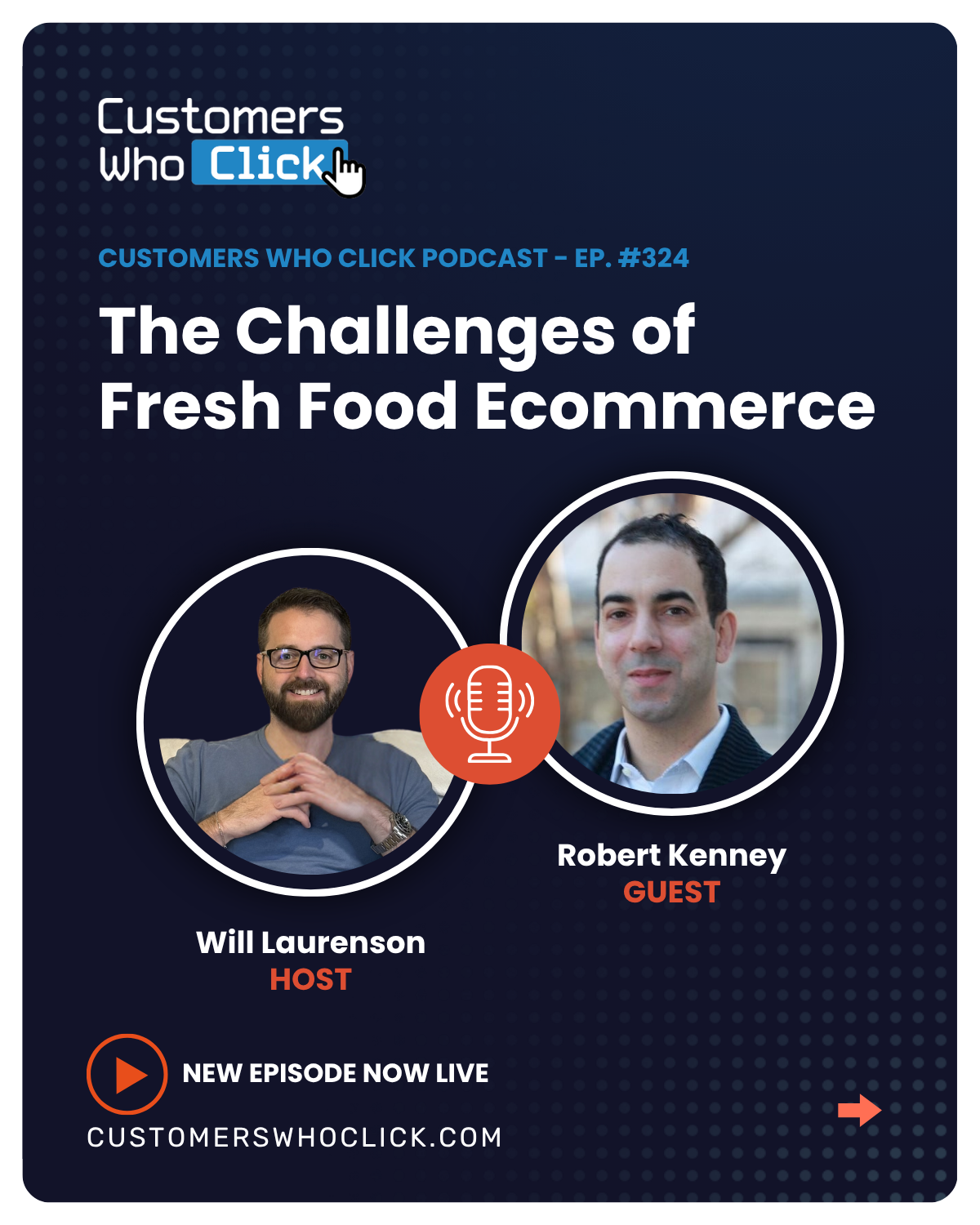
324. Why New Yorker Bagels Switched From Overnight to 2 Day Shipping (and It Wasn't to Save Money) - Rob Kenney, New Yorker Bagels
Most brands chase faster shipping. Rob Kenney went the other way, and it made his business more reliable, not less competitive.
Rob Kenney has spent over 20 years in digital marketing and e-commerce, working across beauty, food and CPG. For the past decade, he's run the direct to consumer side of New Yorker Bagels, a wholesale bakery that bakes more than half of all bagels consumed in the New York tri-state area every day. When Rob first pitched the founders on launching e-commerce, they thought he was mad. Nobody, they assumed, would order bagels online. A decade later, it's a real revenue stream, and Rob's biggest job now is turning a wholesale operation into an actual brand.
Reliability Over Speed
New Yorker Bagels used to offer free overnight shipping on every order. Customers assumed the move to two day shipping was about cutting costs, but Rob is clear that's not what happened. Overnight delivery through FedEx and UPS simply became too unreliable to scale, especially in December, when thirty to forty per cent of the year's volume hits. Two day shipping turned out to be more consistent, and customers can still pay a small fee to upgrade to overnight if they want it. Three day shipping was tested and rejected outright. Anything slower than two days and the product needs to be frozen instead.
International shipping remains unsolved. Some orders to London have arrived fine and on time, but anything held by customs for even a few days kills a shipment of fresh bread. Rob would like to open Europe eventually, but for now it stays in test mode.
A Subscription That Doesn't Get Boring
Rob built a custom feature on Recharge that lets subscribers change their bagel flavours between orders rather than locking them into the same selection every month. He says it cut churn meaningfully, because customers now treat their monthly pick as a small game rather than a static charge they eventually get bored of and cancel. Despite the obvious appeal of recurring revenue, Rob doesn't market the subscription programme heavily. Margins on two day shipping to far flung locations don't always support the standard ten per cent subscriber discount, so he largely leaves it on autopilot.
Conversion, Repeat Rate, and Why Attribution Stopped Mattering
New Yorker Bagels converts at over seven per cent with a seventy per cent repeat purchase rate, numbers Rob contrasts with the three to four per cent he saw working in beauty and skincare. Once a customer orders once, they tend to keep ordering.
On acquisition, Rob has moved away from granular attribution modelling. He used to try to divide credit precisely between campaigns and ad groups. Now he looks at Meta and Google performance in totality, alongside overall AOV and cost per click, rather than trying to isolate which exact touchpoint converted a given customer. Almost every new customer has touched both platforms at some point before buying.
The Custom Box Problem
One of Rob's best converting features is also one of his most limiting. Customers can build a custom box of bagel flavours, and once someone starts selecting flavours, Rob says they're almost certain to complete checkout. The catch is that the customisation has to happen on site, which rules out quick add to cart functionality through tools like Klaviyo or Meta Shopping. A feature that boosts conversion on one end quietly removes a retargeting tactic on the other.
Wholesale Direct and the Content Problem
Rob also runs a smaller channel he calls wholesale direct, selling to businesses like coffee shops and boutique hotels who want to offer "real New York bagels" as a point of difference rather than a margin driver. It includes one click reordering and dedicated account support, and it's growing without much active marketing.
Content remains Rob's hardest problem. New Yorker Bagels is a bakery, not a publishing company, and keeping up with platforms like TikTok, where his own team tells him he should be posting three times a day, is a constant struggle. Attempts to get user generated content from wholesale partners, even offering free product worth hundreds of dollars in exchange for a video, have had limited success. Most partners are simply too busy to respond.
Rob Kenney's full conversation with Will Laurenson covers a lot more, including RCS messaging, the realities of international perishable shipping, and how New Yorker Bagels is trying to win over a younger audience raised on TikTok food trends.