.png)
.png)


.png)

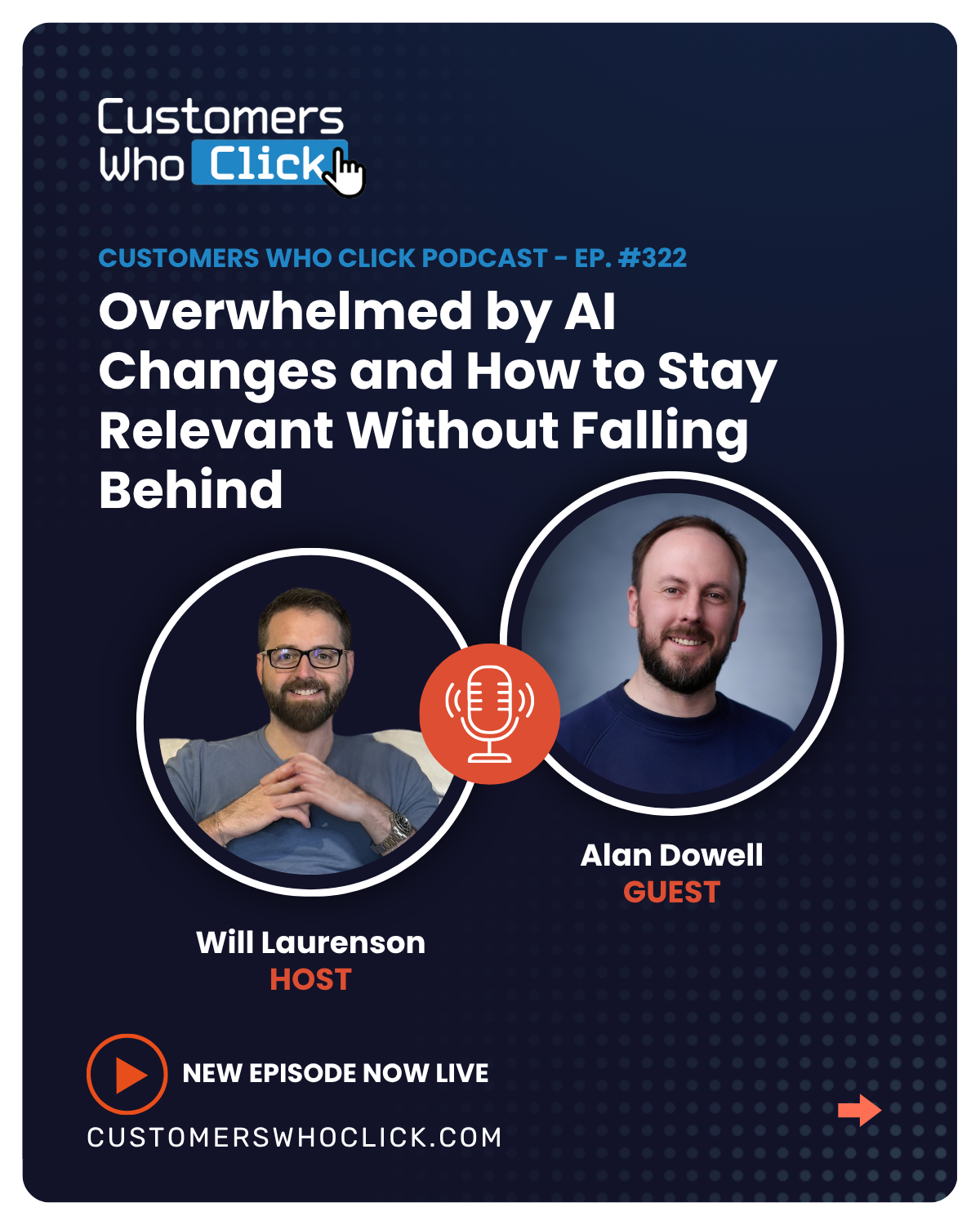
322. Escentual's Gift-With-Purchase App Crashed the Site at 200 Products - Alan Dowell, Escentual
Alan Dowell didn't expect a gift-with-purchase app to take down Escentual's site. It tested fine on one or two products. Then the team scaled it to 200, and the whole site started crawling to a halt. They later found out the app was hosted in Italy.
Alan is Digital Director at Escentual, a 26 year old ecommerce retailer selling around 6,000 products and 11,000 SKUs across other people's brands. He joined the company in 2008, starting in the warehouse before moving through PPC and into his current role overseeing acquisition, retention and on-site. In this episode, he talks through Escentual's migration off a 24 year old custom-built system, what happened when the team suddenly had freedom to ship changes, and how the business is rebuilding retention without a subscription model.
A Two Decade Build, Replaced in Six Weeks
Escentual's tech stack started on Intershop in 2000, with a Magento front end bolted on in 2012 and a custom PHP wrapper holding the backend together. It worked, but the tech debt piled up. The business tried to move off it from 2016 onwards and looked at Shopify in 2020, but judged it wasn't ready for the parent-child product structure and gift-with-purchase functionality Escentual relied on. So they built custom instead, and watched the project stretch from a two year estimate to four.
By summer 2024, Alan and the team accepted the sunk cost and committed to Shopify. With help from an external consultant, they migrated in six weeks and launched on 1 October 2024. A few products and orders got duplicated in the rush, but the bigger work came after launch: roughly twelve months spent building back everything the old system had, from loyalty to bundling to sample give-with-purchase.
Removing the Bottleneck Created a New One
Before the migration, every change at Escentual had to go through one team because the old system was too fragile to touch casually. That created its own problems. Good ideas got shelved because there wasn't time, and people stopped bringing ideas forward at all.
Shopify flipped that. Suddenly everyone across the business could ship changes, which was good for morale but came with no release process and no sense check. Apps went live because they looked good individually. The cumulative effect on site speed wasn't visible until performance started declining and nobody could trace which change had caused it.
The clearest example was a gift-with-purchase app. It tested well on a couple of products, so the team rolled it out further. Once it covered 200 products, the site started grinding to a halt. They eventually traced the problem to the app's servers being based in Italy, something they hadn't checked before adopting it.
"We made a bunch of customised decisions which have now led us to a point where it's now harder to maintain or make changes to the site or the theme because we have done that. So it's kind of teaching us the lesson the hard way."
Alan Dowell, Escentual
Testing Wasn't Optional After That
Escentual admits it skipped A/B testing on most of the changes it shipped in that first year. The assumption was that obvious improvements didn't need validating. That changed once conversion rate started dropping with no clear cause, across a mix of recorded and unrecorded changes.
Now everything new goes through testing before release, using Rollouts for theme-level experiments. Will pointed out how easy it's become to make site changes without fully understanding their impact, especially with AI tools in the mix:
"It is really easy to go make those changes in Shopify now, especially with Claude as well. You can go in and make some changes, but if you don't really know what it's doing to make those changes, then you don't really know the impact it's having."
Will Laurenson, Customers Who Click
Retention Without a Subscription Model
Escentual hasn't built a subscription programme, despite retention being a clear priority. Instead, the team is working on predicting replenishment windows, both at a product level and a customer level, and sending a nudge with an incentive like double points when a customer is likely running low.
The category that breaks this model most is fragrance. Skincare and makeup follow fairly predictable usage patterns. Fragrance doesn't. Some customers wear the same scent daily, some use it occasionally, and others collect dozens and rotate based on mood, making it far harder to model accurately.
Escentual is also working with a partner, Thrift, on an emotional loyalty score that looks past purchase history to engagement signals like email opens and site visits, aiming for a fuller picture of which customers are genuinely loyal.
On Traffic: Google Shopping Still Does the Heavy Lifting
As a retailer rather than a brand, Escentual's customers often arrive already decided on what they want. That makes Google Shopping the dominant traffic source, with campaigns structured around acquiring profitably rather than chasing volume. Alan flagged that the team is watching closely how Google's newer AI-driven ad formats, like AI Max, might reshape that channel over the next year or two.
On-site, the job isn't persuasion so much as confirmation: showing price, availability and delivery information clearly, without making a high-intent shopper hunt for it.
Escentual's migration story is a useful reminder that the hard part isn't always the move itself. It's everything that happens once the old constraints disappear.